

1. Making sense of all those numbers
With Jini, your bloodwork is automatically organized and turned into simple, easy-to-understand charts. Instead of looking through a bunch of PDFs, you can see how each of your results has changed over time, all in one place. You can see your personal baseline, spot changes, and understand whether something has been gradually increasing or decreasing. This matters because a result doesn't have to be outside the reference range for a change to be worth paying attention to.
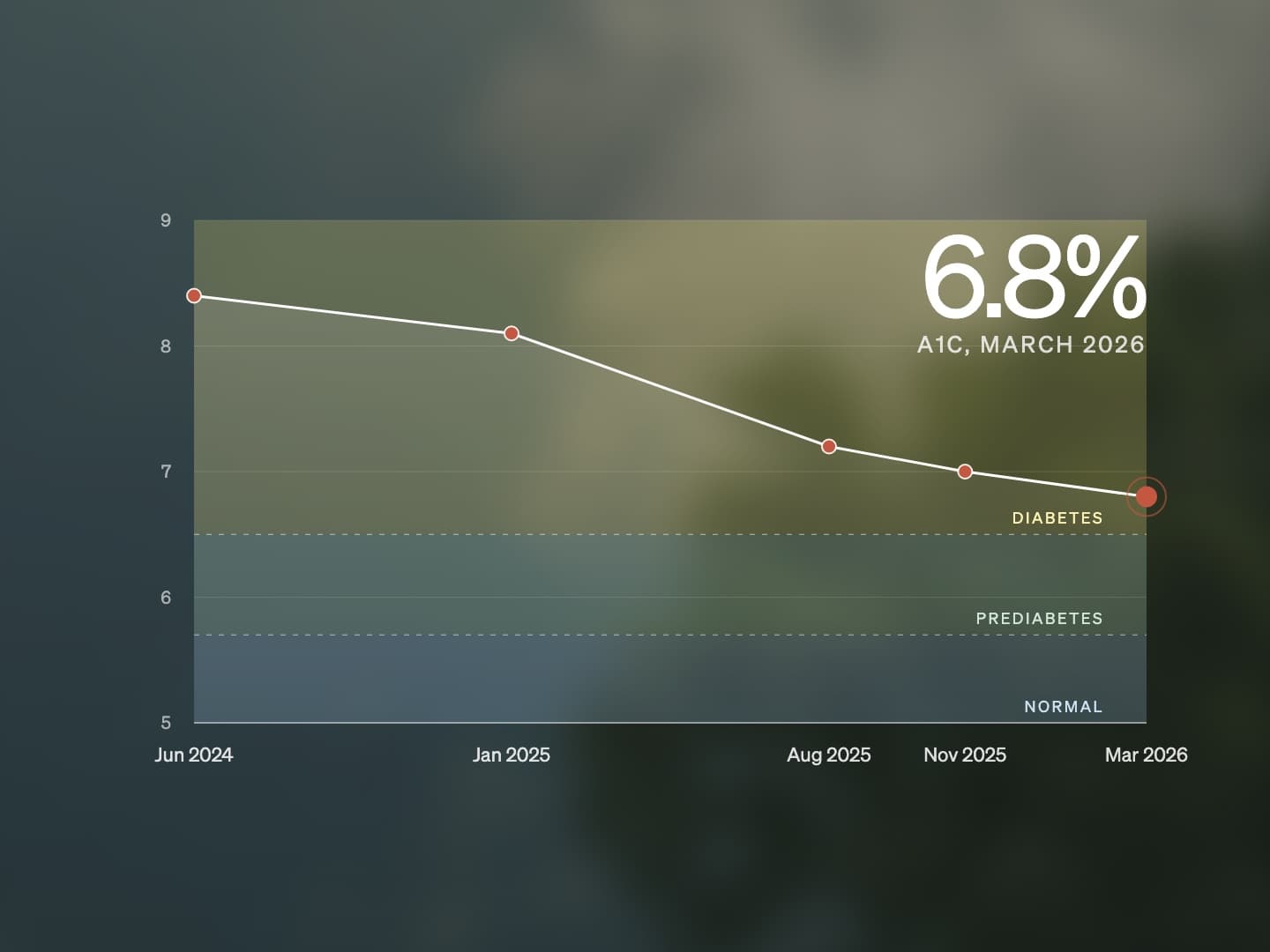
For example, maybe your cholesterol has been steadily increasing over the past three years. It's technically still within range, but knowing which direction it's heading gives you an opportunity to ask questions and potentially make changes earlier. Or maybe you've started a new medication. You can look at your results over time to better understand what's changed since you started taking it.
2. You shouldn't need a medical degree to understand your results
Even when you have access to your bloodwork, figuring out what everything means can be frustrating. What is ALT? Why is it being measured? What does it mean if it's elevated? And is it related to any of the other things flagged in my report? With Jini, you can tap on any result to understand what it measures and why it matters.
We also organize results into categories, so rather than seeing five unrelated numbers flagged across different reports, you might notice that several of them are related to your liver. It's a much easier way to start connecting the dots and figuring out what questions are worth asking your doctor. And whenever you want to verify something, you can go straight back to the original bloodwork report and page associated with that result. Every data point is organized and traceable to its source.
3. Ask questions about your entire health history, not just your latest report
One of the things I find frustrating about using general-purpose AI tools for health is having to constantly repeat myself. I might have uploaded a blood test two years ago, but now I have to find it again, upload it again, and explain what I'm trying to compare and my issue.
So instead, Jini keeps your health records organized, so you can ask questions about your results in the context of your history. You don't have to keep finding and re-explaining the same documents or issues you've had. Your records are already there, and you can always easily check the associated original sources.
4. And it's not just about your own health
A lot of us are also trying to keep track of someone else's. Maybe you have access to your parents' MyChart accounts. Maybe you're managing appointments and bloodwork for your kids. Or maybe you're helping a family member navigate an ongoing health issue. It's already difficult enough to keep track of your own medical information, let alone someone else's.
Jini lets you create separate health profiles for the people you care for, making it easier to organize their records, understand their results, and keep up with changes over time. We're also working on making it easier to share health information between family members and caregivers.
5. Ultimately, we want you to feel more in control of your health
At the end of the day, you're the person living with your health every day. You're the one noticing when something feels different, taking your medication, making lifestyle changes, and deciding when to seek care. You should be able to understand your own medical information without having to decipher dozens of reports and blindly accept what any expert tells you.
We want Jini to make it easier to see the bigger picture, recognize changes worth paying attention to, and have more informed conversations with your doctors. Not to turn everyone into their own doctor, but to give people the information and context they need to advocate for themselves and the people they love to get the right care, and have the data to help them communicate their health concerns.