
The story behind Jini · 7 min read
Meet Jini
What Jini is, and what it does for the person managing the family’s health.
In short: Family health information is scattered and its patterns stay invisible. Jini keeps every family member’s record in one place, reviews the whole history proactively, and prepares you to ask better questions at the next appointment.
Managing a family’s health is rarely as simple as keeping a few medical documents in a folder.
There are appointments to remember, prescriptions to refill, symptoms to track, old reports to find, and questions to bring to the next doctor’s visit. That information is usually scattered across patient portals, pharmacy apps, PDFs, text messages, camera rolls, and memory.
Jini brings it all together.
Jini is your family’s health manager. It gives every family member one organized health record, connects information across time and relatives, and helps families have better conversations with healthcare professionals.
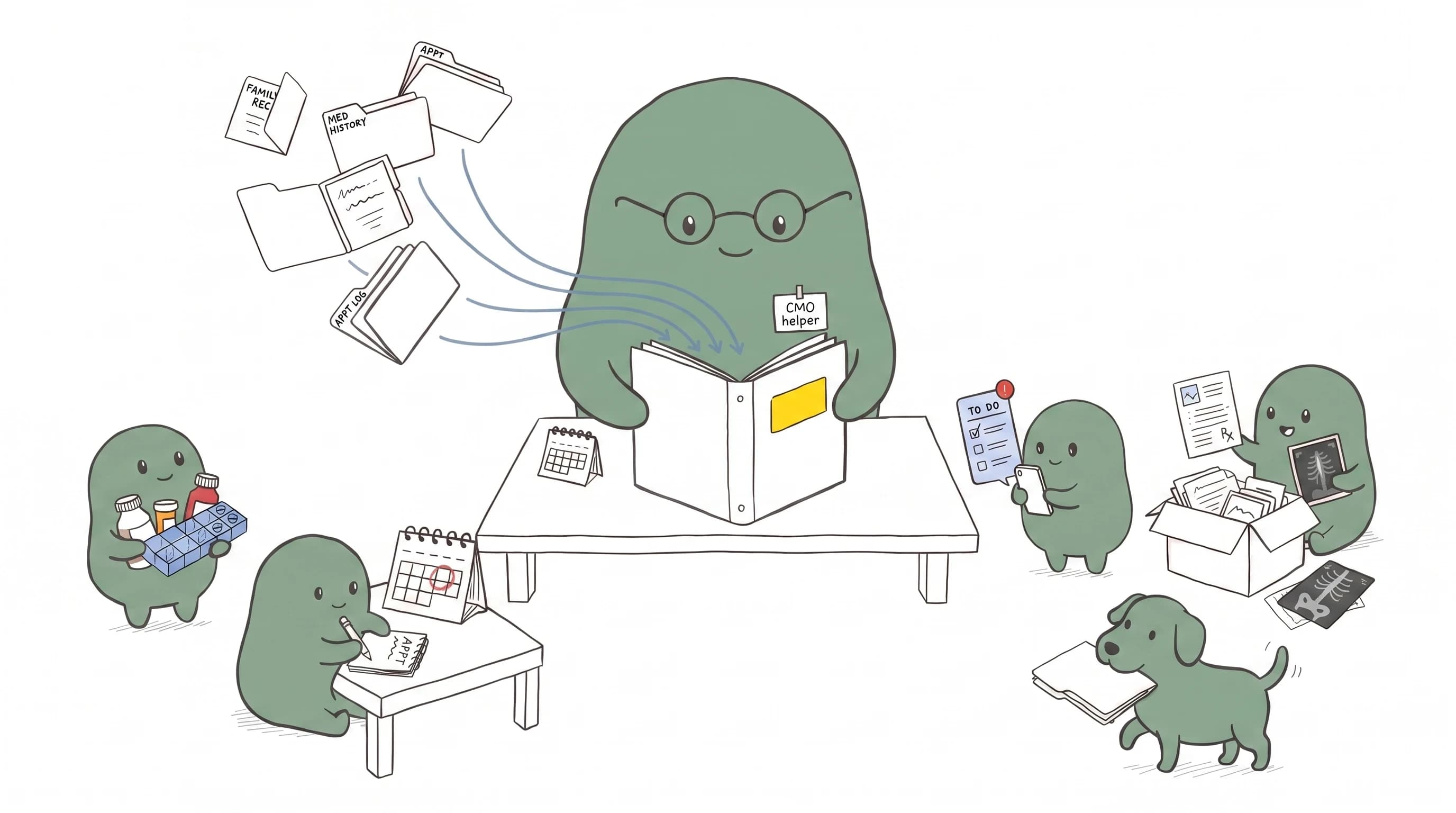
It is built for the person already managing everyone’s health behind the scenes. We call them the Chief Medical Officer of the family: the person who books appointments, remembers medications, knows the family history, and makes sure nothing important gets missed.
1. Jini keeps your family’s health in one place
Jini gives every family member their own organized health record containing:
- Lab results and medical reports
- Prescriptions and medication history
- Symptoms and daily health notes
- Appointments and doctor updates
- Diagnoses and medical history
- Relevant family health history
Instead of searching through patient portals, pharmacy apps, PDFs, messages, and camera rolls, you have one place to find the full picture.
A new parent can begin building their child’s health history from their first appointment. Someone caring for aging parents can organize decades of records across multiple specialists. A person managing a larger family can keep everyone’s information separate while still understanding how their health histories may connect.
Jini also keeps track of the work around healthcare, including appointments, prescription refills, medication and dosage changes, follow-up tests, side effects, outstanding questions, and recommended next steps.
This becomes especially important when someone takes several medications, sees multiple doctors, or is recovering from a procedure.
One of our users had a family member who had both knees replaced; her recovery involved several medications, changing doses, significant pain, and severe stomach irritation. Her family recorded what she took, how she felt, and what each doctor advised.
When new medical advice appeared to conflict with an earlier instruction, they did not have to rely on memory. They had the full record in front of them and could pause to ask for clarification before acting.
Jini makes that information easier to maintain, understand, and share when it matters. It also reduces the mental load of managing several people’s care while making it less likely that an appointment, refill, side effect, or follow-up gets missed.
2. Jini proactively connects the dots
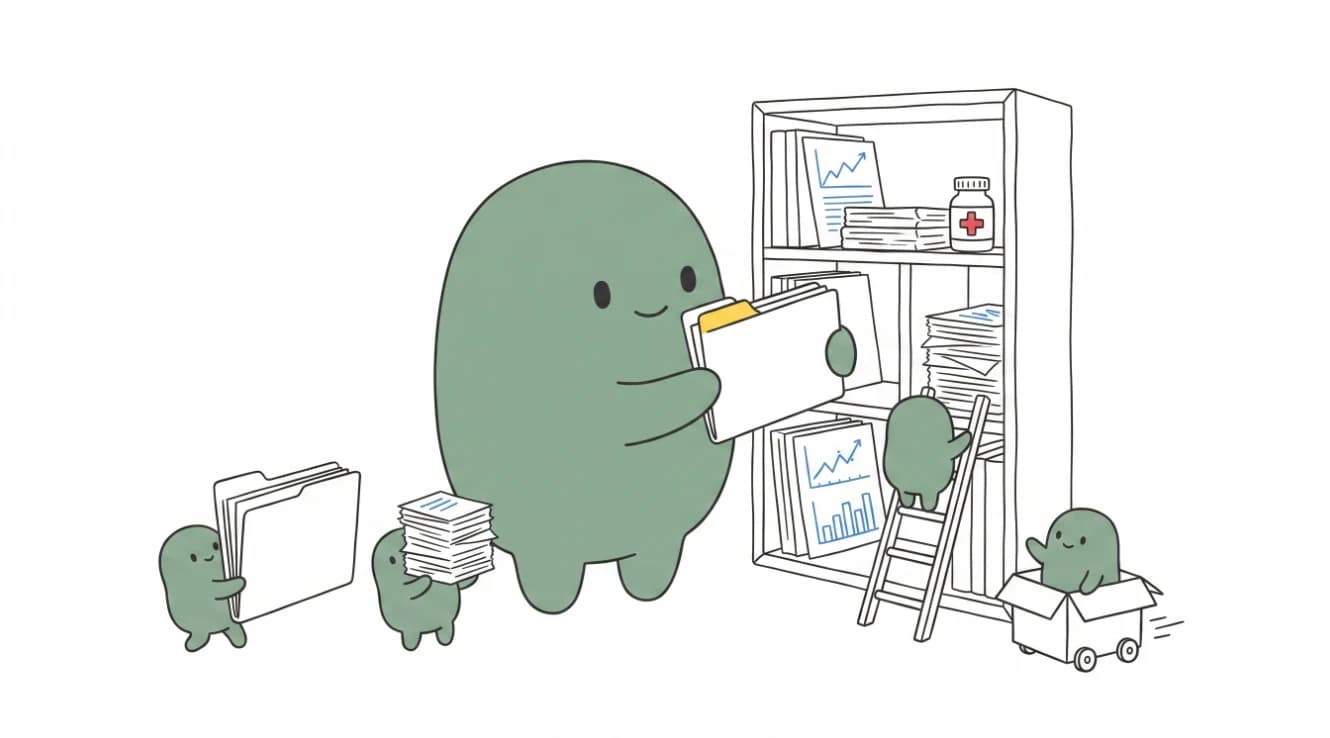
Jini does not only store information or wait for you to ask a question.
When you add a report, symptom, medication, or health update, Jini continues reviewing the record in the background. It looks for:
- Results that have been changing over time
- Symptoms that repeatedly return
- Changes that appeared after a new medication
- Missing information or overdue follow-ups
- Connections between symptoms, results, and medications
- Related health concerns appearing across family members
- Relevant medical research or new health information
A single blood test only shows what was happening at one moment. Jini can review several years of results together and show how something has changed.
This means Jini does not only answer the questions you already know to ask. It helps surface the questions you may not have known were important.
Jini uses some of the most capable AI models available to do this work. Families do not need to pay hundreds of dollars for several premium AI subscriptions or understand which model is best for each task. Jini gives them access to that intelligence through one system designed specifically for family health.

3. Jini helps you ask better questions and push back when needed
Patients and caregivers often know that something is wrong but struggle to explain it clearly.
They may forget when a symptom began, how often it happens, which medication caused a reaction, or what changed between appointments. They may also accept an answer like “it is probably stress” or “it is just lifestyle” because they do not have enough information to question it.
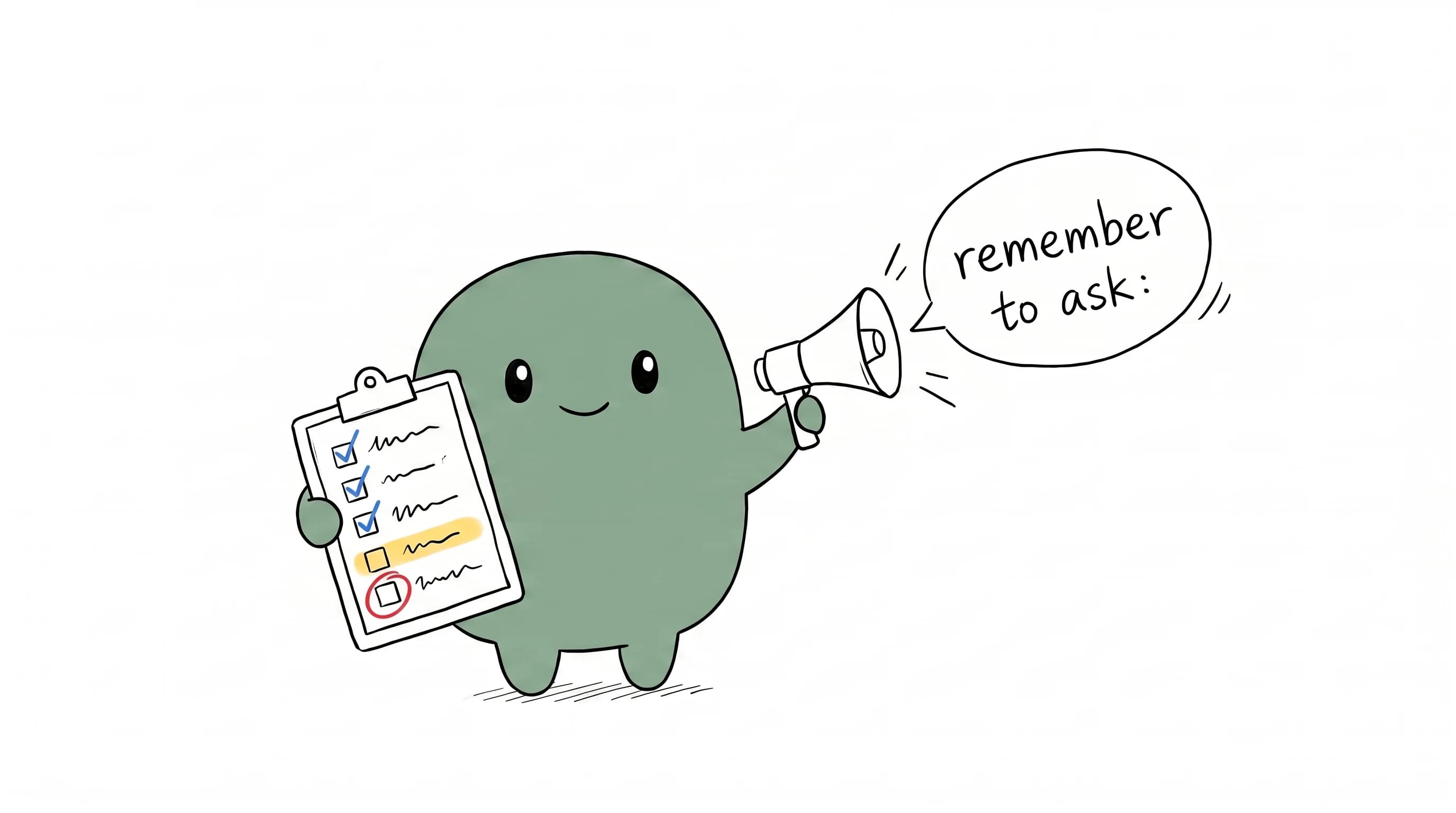
Jini helps turn symptoms and medical history into something the patient can clearly communicate. Before an appointment, it can organize:
- What changed and when
- Which symptoms continued or worsened
- How frequently the symptoms occurred
- Current medications and recent changes
- Relevant test results
- What has already been investigated
- Questions and follow-ups worth raising
Jini turns this information into a clear appointment summary, giving the patient the evidence and context to speak confidently and giving the doctor a more complete picture.
One of our users, who is in her thirties, shared that she felt exhausted for months but struggled to explain the pattern and frequency of her symptoms. She was initially told it was likely stress or lifestyle. Only later, after repeated appointments and testing, did she learn that she had hypothyroidism.
With access to her full symptom history and previous results, Jini could have recognized that the pattern may point to a thyroid issue. It could have explained why it was worth investigating and helped her directly ask whether further thyroid testing was needed.
Jini does not just help people remember what to say. It gives them the information to question an explanation, ask for clarification, request appropriate follow-up, and push back when the answer does not account for the full history.
That does not mean ignoring a doctor. It means being informed enough to participate in the decision instead of passively accepting it.
4. Jini connects health patterns across your family
Family health history is often incomplete and difficult to use.
Someone may know that a grandparent had “heart problems” or that an aunt had “a thyroid issue,” but those details are rarely organized or connected to the health records of other family members.
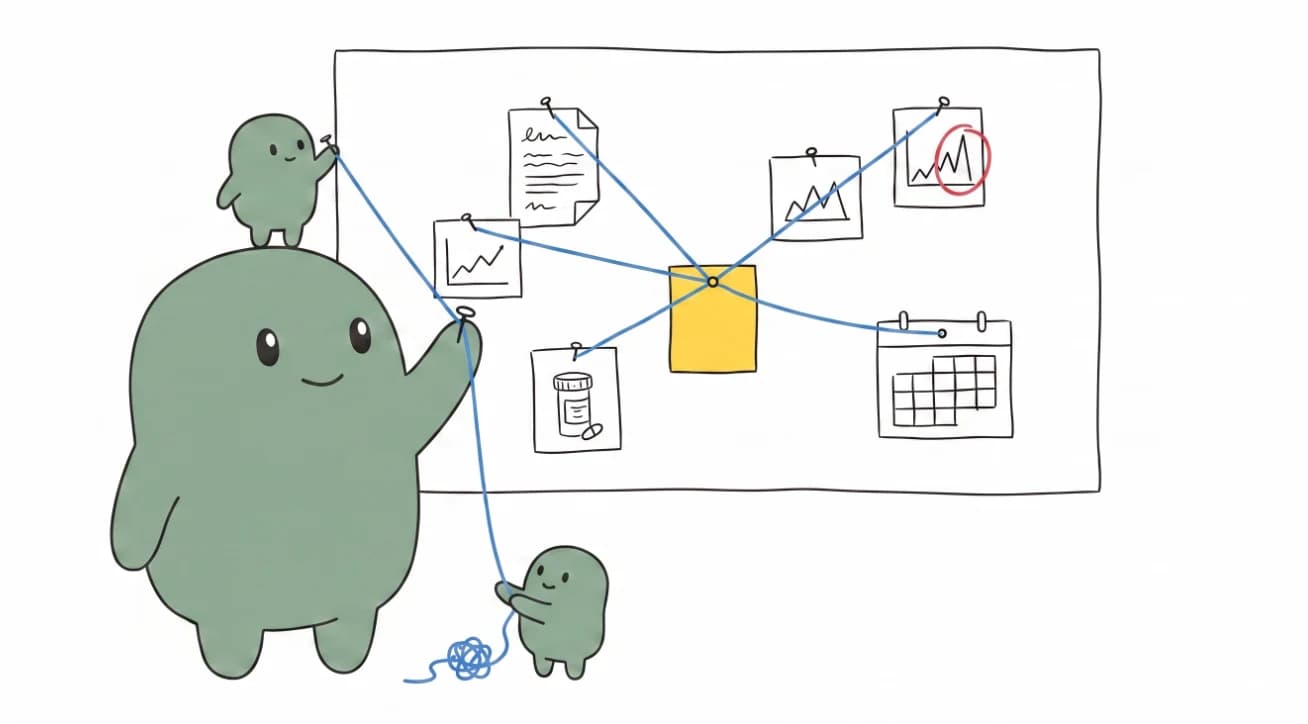
Jini looks across individual family records to identify:
- Shared conditions across relatives
- Results that follow a similar pattern over time
- Health information that may be relevant to another family member
- Gaps in the family history that need more context
For one of our users, a high cholesterol result initially appeared to be an isolated issue. But when Jini reviewed several years of records and found similar results across their sibling, parent, and grandparent, it surfaced a broader family pattern worth bringing to a doctor.
When Jini finds a connection worth paying attention to, it can proactively send the family a message rather than waiting for them to discover it themselves.
What Jini does not do
Jini is not a doctor. It does not diagnose, prescribe medication, recommend treatment, or replace professional medical care.
Jini can recognize patterns, surface possible explanations, and identify questions worth asking. A healthcare professional evaluates that information and makes the final diagnosis and treatment decisions.
Jini gives families the records, context, and confidence to take part in those decisions.
Because advocating for yourself or someone you love should not depend on whether you remember every detail, know the right medical language, or happen to ask the right question at the right time.
Jini gives you the information to speak up.
Read next
Why We Built Jini6 min